Kalyani Digitals

Uncategorized

Difference between facebook and instagram ads

Facebook Ads vs Instagram Ads: Which Works Better?

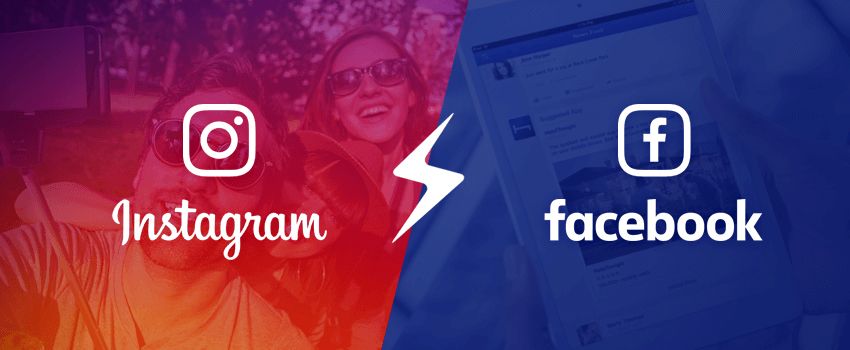
Facebook vs Instagram Ads: Digital marketing has changed the way businesses reach their audiences. Two of the most popular platforms for social media advertising today are Facebook and Instagram. Both platforms are owned by Meta, share the same ad manager, and allow targeting specific audiences—but which one truly works better for your business? Let’s break it down. Audience Reach Facebook boasts over 2.9 billion monthly active users worldwide. Its audience spans all age groups, from young adults to seniors, making it a go-to platform for businesses targeting a broad demographic. Instagram, on the other hand, is more popular with younger users, particularly between the ages of 18 and 34. If your brand caters to millennials or Gen Z, Instagram may provide a more relevant audience. Ad Formats and Creativity When it comes to ad creativity, Instagram often takes the lead. It’s a visual-first platform, perfect for brands that rely on images, stories, and short videos to grab attention. Features like Reels, Stories, and Shopping make Instagram highly interactive. Facebook also offers a variety of ad formats, including carousel ads, lead generation forms, and video ads, which are ideal for businesses that want to provide more detailed content or drive conversions. Engagement and Interaction Engagement rates differ between the two platforms. Instagram generally sees higher engagement per post, with likes, comments, and shares being more frequent. Facebook, however, allows deeper interactions through groups, events, and longer posts. Businesses aiming for community building might find Facebook better, whereas brands seeking immediate visual engagement may prefer Instagram. Cost and ROI Ad cost can vary based on industry, audience, and ad objective. Typically, Instagram ads can be slightly more expensive due to higher engagement, but they also tend to generate better conversion rates for visually-driven products. Facebook ads can provide more cost-effective options for campaigns focused on lead generation or website traffic. Testing both platforms is essential to identify which gives the best return on investment for your business. Targeting Capabilities Both platforms offer powerful targeting options, including location, interests, behaviors, and custom audiences. Facebook’s advanced targeting features, like lookalike audiences, give businesses the ability to reach people similar to their best customers. Instagram uses the same tools, but the key difference lies in user behavior. Instagram users are scrolling for inspiration and discovery, while Facebook users are often looking for information or community interactions. Ad Objectives: What You Want to Achieve Choosing between Facebook and Instagram also depends on your campaign goals. Are you aiming for brand awareness, lead generation, website traffic, or sales? Understanding your objective helps in picking the right platform—or combining both for a broader impact. Case Examples: Real-World Insights These examples show why testing both platforms is crucial before allocating your full budget. Best Practices for Each Platform Facebook Ads Tips: Instagram Ads Tips: Tracking and Analytics No matter which platform you choose, tracking your results is key. Use Meta Ads Manager to monitor metrics like: By analyzing these metrics, you can adjust your campaigns to improve performance continuously. Final Thoughts At the end of the day, there’s no one-size-fits-all answer. Some businesses thrive on Instagram’s visual appeal, while others see higher ROI on Facebook’s detailed targeting and lead generation tools. The smartest approach is to test, measure, and iterate. A combined strategy often works best: use Instagram to engage and inspire, and Facebook to convert and retain customers. This way, you’re leveraging the unique strengths of both platforms to achieve your marketing goals.

Facebook Ads vs Instagram Ads: Which Works Better? Read More »
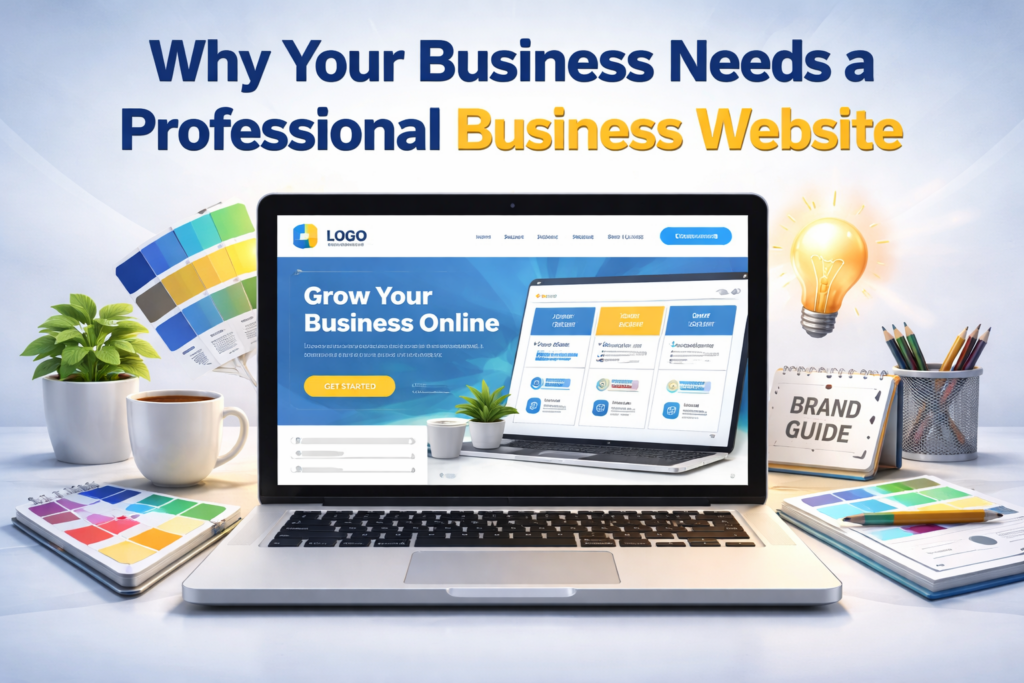
professional business website design showing modern layout branding elements and online growth

Why Your Business Needs a Professional Website

First Impressions Matter in the Digital World Today, the first thing people do before trusting a business is search for it online. If your business doesn’t have a [Professional Business website, or if your website looks outdated or unprofessional, potential customers may lose trust instantly. A professional website acts as your digital storefront, creating a strong first impression and showing that your business is credible and reliable. A well-designed website with clear information, attractive visuals, and smooth navigation makes visitors feel confident about choosing your services or products. Your Business is Open 24/7 Unlike a physical store, a website works for you all the time. Whether it’s day or night, customers can visit your website, learn about your offerings, and even make purchases or inquiries. This continuous availability increases your chances of generating leads and sales without any time limitations. Having a professional website ensures that your business is always accessible, allowing customers to connect with you whenever they need. Builds Trust and Credibility In today’s competitive market, trust plays a major role in customer decisions. A professionally designed website helps establish your brand as trustworthy. When customers see a clean layout, proper content, contact details, and testimonials, they feel more confident in choosing your business. On the other hand, a poorly designed or missing website can create doubt. People may question the authenticity of your business and move to competitors who have a stronger online presence. Helps You Reach a Wider Audience A professional Business website allows you to reach customers beyond your local area. With the help of search engines, your business can be discovered by people from different cities or even countries. This expands your market and opens new opportunities for growth. By optimizing your website for search engines, you can attract people who are actively searching for the products or services you offer. Supports Your Digital Marketing Efforts All your digital marketing activities, such as social media marketing, Google Ads, and email campaigns, become more effective when you have a professional website. Your website acts as the central platform where visitors land after clicking on your ads or posts. Without a proper website, your marketing efforts may not deliver the expected results. A well-structured website helps convert visitors into customers by providing clear information and guiding them toward action. Better Customer Engagement A professional website allows you to interact with your customers in a meaningful way. Features like contact forms, live chat, and FAQs help users find answers quickly and connect with your business easily. You can also share valuable content through blogs, updates, and offers, keeping your audience engaged and informed. This continuous interaction builds stronger relationships with customers. Showcases Your Products and Services Effectively Your website gives you complete control over how you present your business. You can clearly showcase your products, services, pricing, and unique selling points in an organized manner. High-quality images, detailed descriptions, and easy navigation help customers understand what you offer. This makes it easier for potential clients to make decisions without confusion, increasing your chances of conversions. Cost-Effective Marketing Tool Compared to traditional advertising methods, a website is a cost-effective way to promote your business. Once your website is developed, it continues to work for you without ongoing high costs. With proper SEO and content updates, your website can bring consistent traffic and leads over time, making it a long-term investment for your business growth. Helps You Stay Ahead of Competitors In most industries, your competitors already have a website. If you don’t have one, you are automatically at a disadvantage. A professional website helps you compete effectively by giving you visibility and credibility. By continuously improving your website and keeping it updated, you can stand out and attract more customers compared to others in your market. Provides Valuable Insights One of the biggest advantages of having a Professional Business website is the ability to track user behavior. You can understand how visitors interact with your site, which pages they visit, and what actions they take. These insights help you improve your strategies, optimize your content, and make better business decisions. Over time, this leads to improved performance and higher conversions. Enhances Brand Identity A professional Business website is one of the best ways to build and showcase your brand identity. From your logo and color scheme to your messaging and tone, everything on your website reflects who you are as a business. Consistency in design and content helps customers remember your brand and creates a strong impression in their minds. When visitors clearly understand your brand values and what makes you different, they are more likely to connect with your business and choose you over competitors. Improves Conversion Opportunities A well-designed website is not just about looks—it is built to convert visitors into customers. Strategic placement of call-to-action buttons, clear service descriptions, and user-friendly navigation guide visitors toward taking action, whether it’s filling out a form, making a purchase, or contacting you. Even small improvements in design and content can significantly increase your conversion rate, turning more visitors into paying customers. Builds Long-Term Business Growth A professional Business website is not just a short-term asset; it supports long-term growth. As your business expands, your website can grow with you by adding new services, updating content, and improving functionality. Over time, your website becomes a valuable digital asset that continuously attracts traffic, generates leads, and strengthens your online presence without needing constant heavy investment. Creates a Competitive Advantage in the Market In today’s fast-paced digital environment, businesses that adapt quickly gain a strong advantage. A professional Business website allows you to stay updated with trends, implement new technologies, and respond to customer needs more effectively. By providing a better online experience than your competitors, you position your business as a leader in your industry and build a loyal customer base. Conclusion A professional Business website is no longer a luxury—it is a necessity for every business. It builds trust, increases visibility, supports marketing efforts, and helps you connect

Why Your Business Needs a Professional Website Read More »

Top SEO strategies to rank your website on Google

Top 10 SEO Strategies to Rank Your Website on Google

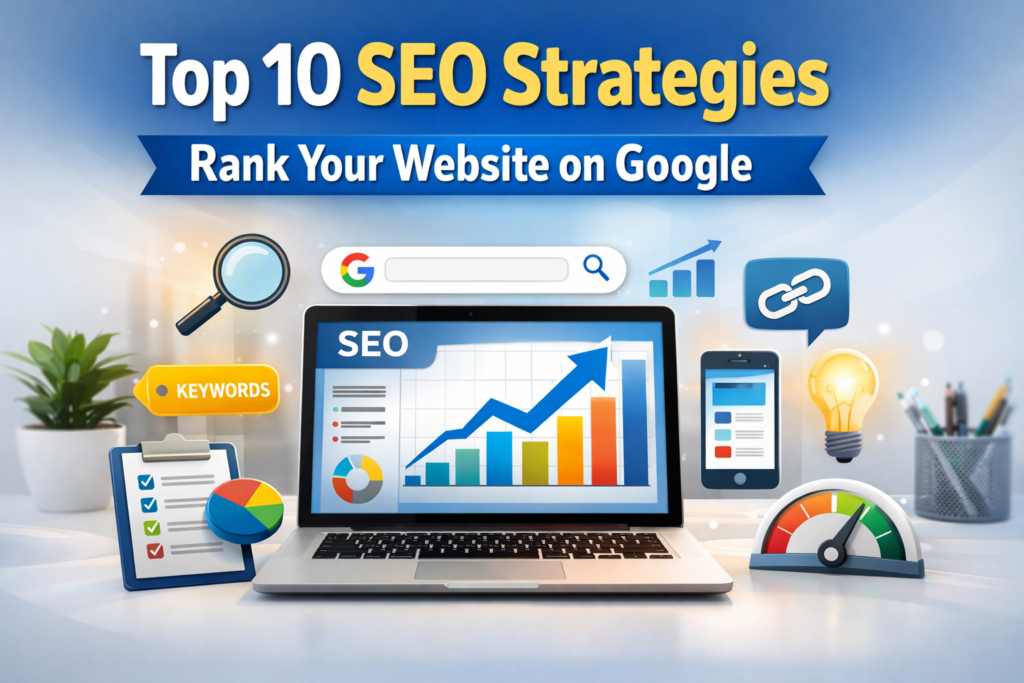
Why SEO Still Matters More Than Ever SEO Strategies: If you have a website but it’s not showing up on Google, it’s almost like it doesn’t exist. Today, people search for everything online—from services to solutions—and most of them never go beyond the first page of search results. That’s where SEO comes in. Search Engine Optimization is not just about ranking higher; it’s about getting the right people to find your website at the right time. SEO is constantly evolving, and what worked a few years ago may not work today. That’s why understanding the right strategies can make a huge difference in your website’s visibility and growth. 1. Focus on the Right Keywords Everything in SEO starts with keywords. But it’s not just about choosing popular keywords—it’s about choosing the right ones. You need to understand what your audience is searching for and how they are searching. Instead of targeting very broad keywords, focus on more specific phrases that match user intent. These are easier to rank for and often bring more qualified traffic to your website. 2. Create High-Quality Content Content is the backbone of SEO. Google prefers content that is helpful, relevant, and easy to understand. Instead of writing just to fill pages, focus on solving problems for your audience. When your content answers real questions, users spend more time on your website, which signals Google that your content is valuable. Also, make sure your content is original and written in a natural tone. Avoid copying or stuffing keywords unnaturally, as it can harm your rankings. 3. Optimize Your On-Page SEO On-page SEO means optimizing the elements within your website. This includes using your keywords in the title, headings, and content naturally. Your URLs should be clean and simple, and your meta descriptions should clearly explain what the page is about. Proper use of headings (H1, H2, H3) not only improves readability but also helps search engines understand your content better. A well-structured page always performs better than a cluttered one. 4. Improve Website Loading Speed Nobody likes a slow website. If your pages take too long to load, visitors will leave before even seeing your content. Google considers page speed as an important ranking factor, so improving it can directly impact your SEO performance. Compress images, use lightweight themes, and avoid unnecessary plugins. Even small improvements in speed can lead to better user experience and higher rankings. 5. Make Your Website Mobile-Friendly Most users today browse websites on their smartphones. If your website doesn’t look good or function properly on mobile devices, you are losing a huge audience. Google also prioritizes mobile-friendly websites in its rankings. Make sure your design is responsive, text is readable, and buttons are easy to click on smaller screens. A smooth mobile experience builds trust and keeps users engaged. 6. Build Quality Backlinks: One of the SEO Strategies Backlinks are links from other websites to your site, and they act like votes of confidence in the eyes of Google. However, it’s not about quantity—it’s about quality. A few links from trusted and relevant websites are far more valuable than many low-quality links. You can build backlinks by writing guest posts, creating shareable content, or collaborating with other websites in your niche. The more authority your site gains, the better your chances of ranking higher. 7. Use Internal Linking Smartly Internal linking means linking one page of your website to another. This helps users navigate your site easily and also helps search engines understand the structure of your website. When done correctly, internal links can increase the time users spend on your site and improve the ranking of important pages. Always link to relevant content that adds value to the reader. 8. SEO Strategies : Optimize for User Experience SEO is not just about search engines—it’s also about people. If users find your website difficult to navigate, they will leave quickly. This increases your bounce rate, which can negatively affect your rankings. A clean design, clear navigation, and easy-to-read content can make a big difference. When users enjoy their experience on your site, they are more likely to stay longer and return again. 9. Update Your Content Regularly SEO is not a one-time effort. Search engines prefer fresh and updated content. If your content becomes outdated, it may lose its ranking over time. Regularly update your blogs with new information, improved structure, and better keywords. This shows Google that your content is still relevant and valuable to users. 10. Track and Analyze Your Performance One of the biggest advantages of SEO is that everything can be measured using SEO Strategies. Tools like analytics and search consoles help you understand what’s working and what’s not. By tracking your performance, you can identify which keywords bring traffic, which pages perform well, and where improvements are needed. This allows you to continuously refine your strategy and achieve better results over time. The Role of Technical SEO in Ranking While content and keywords are important, technical SEO works behind the scenes to ensure your website is properly understood by search engines. It includes aspects like website structure, XML sitemaps, secure connections (HTTPS), and proper indexing. If search engines cannot crawl or index your site correctly, even the best content may not rank. A well-structured website with clear navigation helps both users and search engines. Fixing broken links, avoiding duplicate content, and ensuring proper redirects can significantly improve your site’s performance. Technical SEO might seem complex at first, but even small improvements can have a strong impact on rankings. Understanding Search Intent:SEO Strategies One of the most important yet often overlooked aspects of SEO is understanding search intent. This means knowing why a user is searching for a particular query. Are they looking for information, trying to make a purchase, or comparing options? When your content matches the user’s intent, it performs much better in search results. For example, someone searching for “best SEO tools” expects a list or comparison, while someone searching “what is SEO”

Top 10 SEO Strategies to Rank Your Website on Google Read More »

Digital Marketing startegies

What is Digital Marketing? A Complete Beginner’s Guide

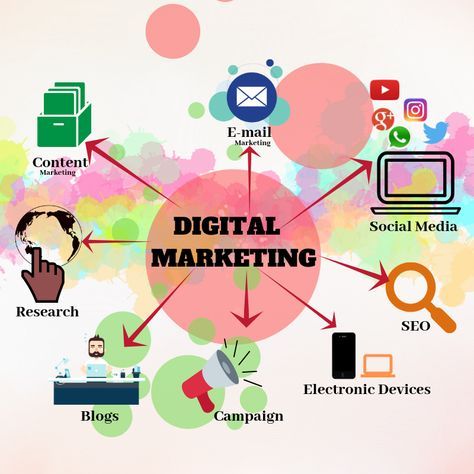
Introduction to Digital Marketing Digital Marketing for Beginners:In today’s fast-moving digital world, businesses no longer rely solely on traditional methods like newspapers or television advertisements. Everything is shifting online, and digital marketing plays a crucial role in helping businesses reach their audience. Whether you are a small business owner, an entrepreneur, or someone looking to start a career in marketing, understanding digital marketing is essential to grow and succeed in 2026 and beyond. The internet has transformed the way people search, shop, and interact, making it necessary for businesses to maintain a strong online presence. Understanding Digital Marketing For Beginners Digital marketing is the process of promoting products or services using online platforms such as websites, search engines, social media, email, and mobile applications. It allows businesses to connect with their target audience in a measurable and effective way. Unlike traditional marketing, digital marketing enables businesses to reach a global audience, track performance in real time, and make data-driven decisions to improve results. This flexibility and reach make digital marketing one of the most powerful tools available for modern businesses. Digital Marketing For Beginners:Why it is Important The importance of digital marketing has grown significantly because people spend a large portion of their time online. From searching on Google to scrolling through social media platforms, potential customers are always connected digitally. This provides businesses with opportunities to reach their audience at the right time with the right message. Digital marketing is also more cost-effective compared to traditional methods and allows businesses to track what is working and what needs improvement. It helps build brand awareness, increases visibility, and improves customer engagement, making it a key part of any business strategy today. Types of Digital Marketing Digital marketing encompasses a wide range of strategies and channels. Search Engine Optimization (SEO) focuses on improving a website’s visibility on search engines to attract organic traffic. Pay-Per-Click advertising allows businesses to run paid ads and pay only when users click on them. Social media marketing promotes brands on platforms like Facebook, Instagram, and LinkedIn to engage with audiences directly. Content marketing involves creating valuable blogs, videos, and infographics to attract and educate customers. Email marketing communicates personalized messages directly to potential clients, while affiliate marketing allows businesses to partner with promoters who earn commissions on generated sales. How Digital Marketing Works Digital marketing works by targeting the right audience through multiple online channels based on their behavior, interests, and search patterns. For example, a user searching for a product on Google may find a business through organic search results or paid ads. When someone scrolls through social media, they may encounter sponsored posts or promotional content. Visitors who read a company blog or watch its videos are guided through the journey from awareness to eventual purchase. This approach helps businesses connect with potential customers at every stage of the buying process. Digital Marketing For Beginners:Benefits One of the biggest advantages of digital marketing is its measurability and precision targeting. Businesses can reach a global audience with minimal investment and personalize campaigns to suit customer preferences. Digital marketing also allows real-time tracking of performance, making it easier to improve strategies and maximize returns. Moreover, it helps businesses build lasting relationships with customers by consistently providing valuable content and engaging experiences online. Another key benefit is how different digital marketing strategies work together to strengthen results. For example, strong content marketing improves SEO, which drives more organic traffic, while social media campaigns amplify that content to reach a wider audience. Paid ads can complement these efforts by targeting high-intent users and generating quick leads. By combining multiple channels strategically, businesses can create a holistic marketing approach that maximizes visibility, engagement, and conversions. Digital marketing also provides businesses with valuable insights. Analytics tools give detailed information about customer behavior, preferences, and engagement patterns. This data empowers businesses to adjust their strategies in real time, improving campaigns for better results. Over time, these insights help companies understand which messaging, platforms, and content types resonate most with their audience, leading to higher satisfaction and loyalty. Tips: Digital Marketing for Beginners For beginners, diving into digital marketing can seem overwhelming, but starting with the basics makes the process manageable. Creating a professional website is the first step to establishing an online presence. Learning basic SEO and keyword research helps improve visibility on search engines. Consistently posting blogs, social media updates, or videos keeps the audience engaged. Running small advertising campaigns can provide insight into paid marketing strategies, and analyzing results helps optimize campaigns for better performance. Staying consistent and continuously learning are the keys to long-term success. Beginners often make mistakes that slow their progress, such as lacking a clear strategy, ignoring SEO, posting inconsistently, targeting the wrong audience, or failing to analyze performance. Avoiding these mistakes and focusing on continuous improvement can significantly increase the chances of success. Experimentation is also important, as not every strategy will work immediately. By learning from trials and analyzing results, beginners can refine their methods and achieve better outcomes over time. Digital marketing also empowers smaller businesses to compete with larger competitors. With the right approach, even a small company can reach a global audience and achieve significant growth without massive budgets. Tools like social media platforms, email campaigns, and analytics software make it possible to target the right audience with precision and measure success at every stage. This democratization of marketing means that businesses of all sizes have the opportunity to grow and thrive online. Current Trends in Digital Marketing Digital marketing is constantly evolving, and staying updated with the latest trends is crucial for businesses that want to stay ahead. One major trend is the rise of artificial intelligence and machine learning, which helps marketers analyze data more effectively, automate tasks, and personalize campaigns for individual users. Another growing trend is the use of video content, as videos are more engaging and can convey messages quickly, whether through social media reels, YouTube tutorials, or live streams. Interactive content like polls,

What is Digital Marketing? A Complete Beginner’s Guide Read More »

Why Digital Marketing is important

Why Every Business needs Digital Marketing in 2026

The Digital Shift That Businesses Can’t Ignore Digital Marketing In 2026, the business landscape is more digital than ever before, and companies that fail to adapt risk being left behind. Customers today begin their journey online, whether they are searching for a product, comparing services, or reading reviews before making a decision. This shift in behavior has made digital marketing services, online marketing strategies, and SEO for business growth essential tools for success. A strong digital presence is no longer optional; it is a necessity for visibility, credibility, and long-term sustainability. Businesses that invest in search engine optimization (SEO), content marketing, and user-friendly website design are able to reach their target audience more effectively and build trust in a crowded marketplace. As competition increases across industries, digital marketing becomes the key differentiator that helps businesses stand out and attract the right customers at the right time. Building Visibility, Trust, and Brand Authority One of the biggest advantages of digital marketing in 2026 is its ability to build brand visibility and authority in a highly competitive environment. When a business consistently appears on search engines for keywords like best digital marketing agency, affordable SEO services, or website design services, it naturally gains credibility in the eyes of potential customers. A well-optimized website combined with high-quality content and active engagement on social media platforms strengthens brand identity and creates a lasting impression. Through social media marketing, content marketing, and SEO optimization services, businesses can communicate their value, showcase their expertise, and connect with their audience on a deeper level. Over time, this consistent visibility builds trust, which is one of the most important factors influencing customer decisions in the digital era. Cost-Effective Growth and High Return on Investment Digital marketing in 2026 offers businesses a cost-effective way to grow and achieve measurable results compared to traditional advertising methods. Strategies such as pay-per-click advertising (PPC), email marketing, and targeted social media campaigns allow businesses to reach a specific audience without overspending. This level of control ensures that every marketing effort is directed toward potential customers who are more likely to convert, improving overall efficiency and return on investment. In 2026, businesses that focus on lead generation strategies, conversion optimization, and data-driven decision-making can maximize their results while minimizing costs. The ability to track performance in real time also allows businesses to refine their strategies, making digital marketing not just affordable but also highly effective in driving consistent growth. Reaching the Right Audience with Personalization Another critical reason why digital marketing is essential in 2026 is its ability to target and engage the right audience with precision. Unlike traditional marketing, digital platforms enable businesses to reach people based on their interests, behavior, location, and search intent. This makes it easier to deliver personalized messages that resonate with customers and address their specific needs. Through target audience marketing, personalized email campaigns, and customized content, businesses can create meaningful interactions that go beyond simple transactions. Personalization not only improves customer experience but also increases engagement, loyalty, and repeat business. In a world where customers expect brands to understand them, digital marketing provides the tools needed to build strong and lasting relationships. The Future of Business Growth Through Digital Marketing Looking ahead, digital marketing in 2026, will continue to play a central role in shaping the future of businesses worldwide. With the increasing importance of mobile usage, businesses must ensure their websites are optimized for all devices to provide a seamless experience. Additionally, digital marketing opens doors to global opportunities, allowing even small businesses to reach international markets through effective online business growth strategies. Companies that stay updated with trends, invest in SEO services, and focus on delivering value through content and engagement will be better positioned to succeed in an ever-evolving digital landscape. Ultimately, digital marketing in 2026 is not just about promoting products or services; it is about creating connections, building trust, and driving sustainable growth in a competitive and dynamic environment. The Role of Data in Personalized Marketing Data plays a crucial role in delivering effective personalization. In today’s digital ecosystem, every user interaction—clicks, searches, and browsing behavior—provides valuable insights into customer preferences. Businesses can use this data to refine their digital marketing strategies and deliver more relevant content. For instance, if a user frequently searches for SEO services, showing them ads related to SEO optimization services or digital marketing solutions increases the likelihood of engagement. This data-driven approach ensures that marketing efforts are focused, efficient, and result-oriented. Building Strong Customer Relationships Through Personalization Personalization is not just about marketing; it is about building meaningful relationships with customers. When users receive content that aligns with their interests, they are more likely to trust the brand and stay connected. Through content marketing, social media marketing, and personalized communication, businesses can create a deeper connection with their audience. Consistently delivering valuable and relevant content helps in building trust, increasing customer loyalty, and encouraging repeat business, which are key factors for long-term success. Gaining a Competitive Advantage In a highly competitive market, personalization gives businesses a clear edge. While many companies still rely on generic marketing strategies, those that adopt personalized marketing techniques stand out by offering unique and relevant user experiences. This not only enhances customer satisfaction but also improves key performance metrics such as click-through rate (CTR), engagement rate, and conversion rate. Businesses that focus on personalization are more likely to capture attention and retain customers in the long run. Conclusion Digital Marketing in 2026 has become the driving force behind business growth, visibility, and long-term success. From improving online presence through search engine optimization (SEO) to engaging audiences with social media marketing and personalized strategies, businesses now have powerful tools to connect with their customers in meaningful ways. The shift towards a digital-first world means that customers expect brands to be easily accessible, responsive, and relevant across all online platforms. Businesses that invest in digital marketing services, online marketing strategies, and content-driven approaches are better equipped to attract the right audience, build trust,

Why Every Business needs Digital Marketing in 2026 Read More »