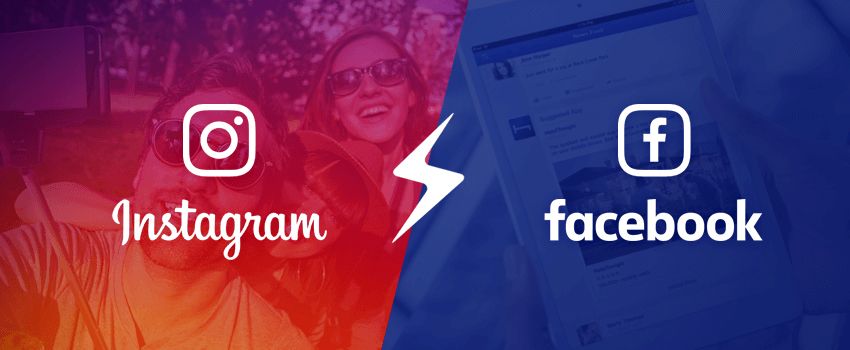
Facebook vs Instagram Ads: Digital marketing has changed the way businesses reach their audiences. Two of the most popular platforms for social media advertising today are Facebook and Instagram. Both platforms are owned by Meta, share the same ad manager, and allow targeting specific audiences—but which one truly works better for your business? Let’s break it down.
Audience Reach
Facebook boasts over 2.9 billion monthly active users worldwide. Its audience spans all age groups, from young adults to seniors, making it a go-to platform for businesses targeting a broad demographic. Instagram, on the other hand, is more popular with younger users, particularly between the ages of 18 and 34. If your brand caters to millennials or Gen Z, Instagram may provide a more relevant audience.
Ad Formats and Creativity
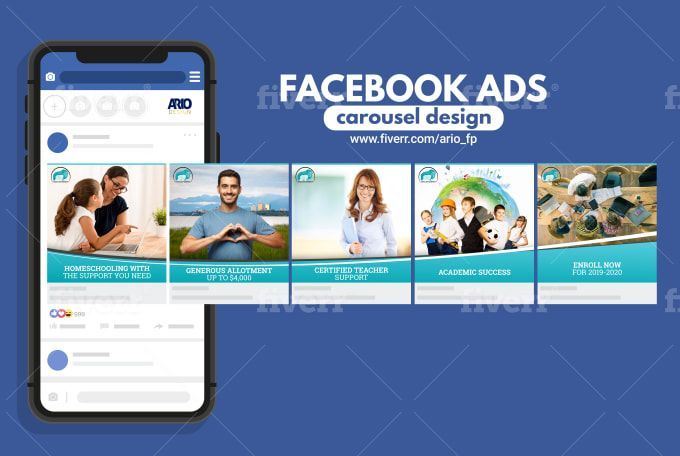
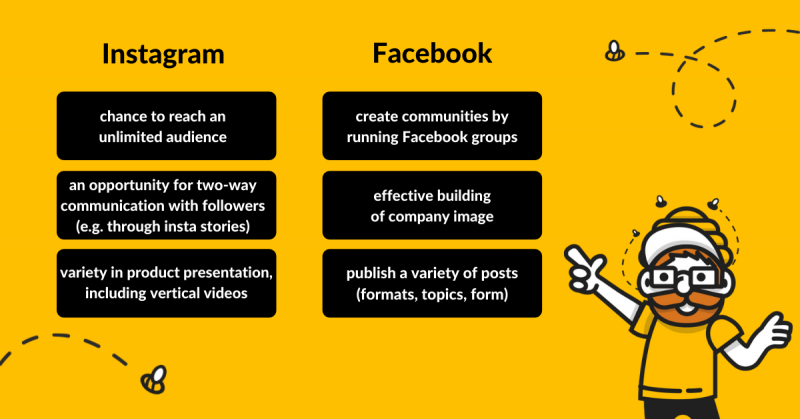
When it comes to ad creativity, Instagram often takes the lead. It’s a visual-first platform, perfect for brands that rely on images, stories, and short videos to grab attention. Features like Reels, Stories, and Shopping make Instagram highly interactive. Facebook also offers a variety of ad formats, including carousel ads, lead generation forms, and video ads, which are ideal for businesses that want to provide more detailed content or drive conversions.
Engagement and Interaction
Engagement rates differ between the two platforms. Instagram generally sees higher engagement per post, with likes, comments, and shares being more frequent. Facebook, however, allows deeper interactions through groups, events, and longer posts. Businesses aiming for community building might find Facebook better, whereas brands seeking immediate visual engagement may prefer Instagram.
Cost and ROI
Ad cost can vary based on industry, audience, and ad objective. Typically, Instagram ads can be slightly more expensive due to higher engagement, but they also tend to generate better conversion rates for visually-driven products. Facebook ads can provide more cost-effective options for campaigns focused on lead generation or website traffic. Testing both platforms is essential to identify which gives the best return on investment for your business.
Targeting Capabilities
Both platforms offer powerful targeting options, including location, interests, behaviors, and custom audiences. Facebook’s advanced targeting features, like lookalike audiences, give businesses the ability to reach people similar to their best customers. Instagram uses the same tools, but the key difference lies in user behavior. Instagram users are scrolling for inspiration and discovery, while Facebook users are often looking for information or community interactions.
Ad Objectives: What You Want to Achieve
Choosing between Facebook and Instagram also depends on your campaign goals. Are you aiming for brand awareness, lead generation, website traffic, or sales?
- Brand Awareness: Both platforms are effective, but Instagram’s visual content tends to create faster recognition, especially for lifestyle, fashion, or creative brands.
- Lead Generation: Facebook’s lead forms make collecting emails or customer info simpler. Businesses often see better quality leads here.
- E-commerce Sales: Instagram Shopping features allow users to buy directly from posts or Reels, making it ideal for product-based businesses.
Understanding your objective helps in picking the right platform—or combining both for a broader impact.
Case Examples: Real-World Insights
- E-commerce Store: A clothing brand promoting summer collection saw higher engagement and conversions on Instagram Reels than on Facebook, mainly because younger audiences were browsing for style inspiration.
- Service-Based Business: A local fitness center running Facebook lead generation ads collected more sign-ups for trial memberships compared to Instagram because of Facebook’s detailed targeting and form features.
These examples show why testing both platforms is crucial before allocating your full budget.
Best Practices for Each Platform
Facebook Ads Tips:
- Use carousel ads to showcase multiple products or services.
- Include clear call-to-actions (Sign Up, Learn More, Book Now).
- Test different ad placements, like feed, right column, or stories, to see which performs best.
Instagram Ads Tips:
- Focus on high-quality visuals—images or videos that grab attention instantly.
- Use Stories and Reels to capture short attention spans.
- Leverage hashtags and explore placement to reach new audiences organically alongside ads.
Tracking and Analytics
No matter which platform you choose, tracking your results is key. Use Meta Ads Manager to monitor metrics like:
- Click-through rate (CTR)
- Conversion rate
- Cost per click (CPC)
- Return on ad spend (ROAS)
By analyzing these metrics, you can adjust your campaigns to improve performance continuously.
Final Thoughts
At the end of the day, there’s no one-size-fits-all answer. Some businesses thrive on Instagram’s visual appeal, while others see higher ROI on Facebook’s detailed targeting and lead generation tools. The smartest approach is to test, measure, and iterate.
A combined strategy often works best: use Instagram to engage and inspire, and Facebook to convert and retain customers. This way, you’re leveraging the unique strengths of both platforms to achieve your marketing goals.