
Introduction to Digital Marketing
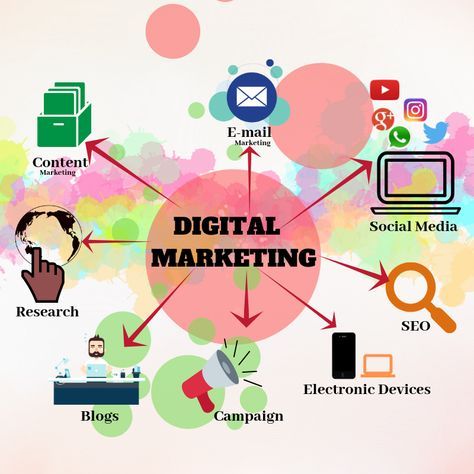
Digital Marketing for Beginners:In today’s fast-moving digital world, businesses no longer rely solely on traditional methods like newspapers or television advertisements. Everything is shifting online, and digital marketing plays a crucial role in helping businesses reach their audience. Whether you are a small business owner, an entrepreneur, or someone looking to start a career in marketing, understanding digital marketing is essential to grow and succeed in 2026 and beyond. The internet has transformed the way people search, shop, and interact, making it necessary for businesses to maintain a strong online presence.
Understanding Digital Marketing For Beginners
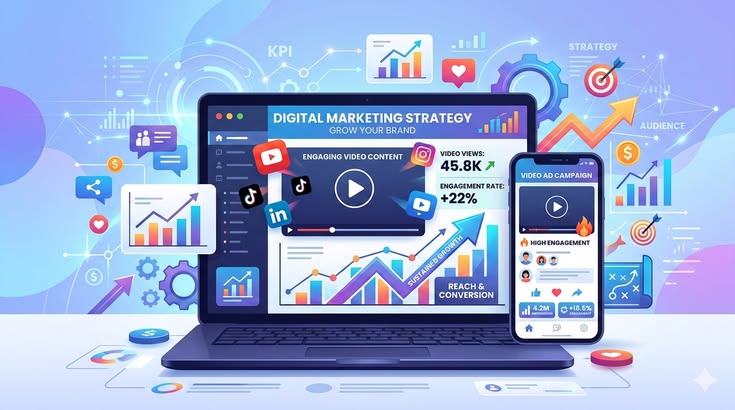
Digital marketing is the process of promoting products or services using online platforms such as websites, search engines, social media, email, and mobile applications. It allows businesses to connect with their target audience in a measurable and effective way. Unlike traditional marketing, digital marketing enables businesses to reach a global audience, track performance in real time, and make data-driven decisions to improve results. This flexibility and reach make digital marketing one of the most powerful tools available for modern businesses.
Digital Marketing For Beginners:Why it is Important
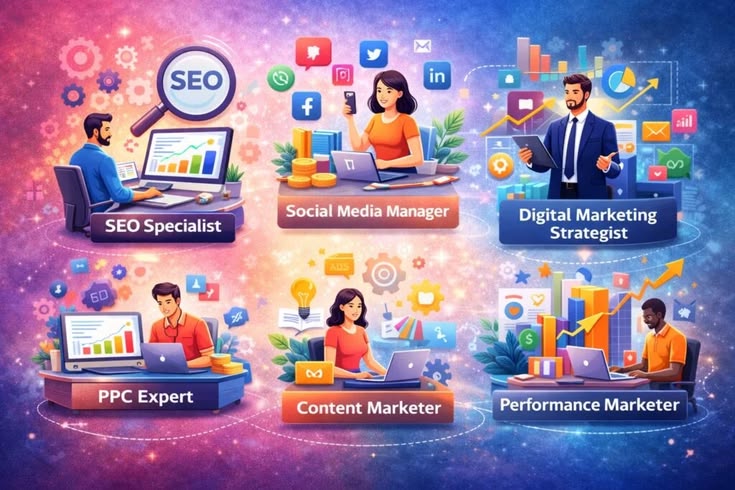
The importance of digital marketing has grown significantly because people spend a large portion of their time online. From searching on Google to scrolling through social media platforms, potential customers are always connected digitally. This provides businesses with opportunities to reach their audience at the right time with the right message. Digital marketing is also more cost-effective compared to traditional methods and allows businesses to track what is working and what needs improvement. It helps build brand awareness, increases visibility, and improves customer engagement, making it a key part of any business strategy today.
Types of Digital Marketing
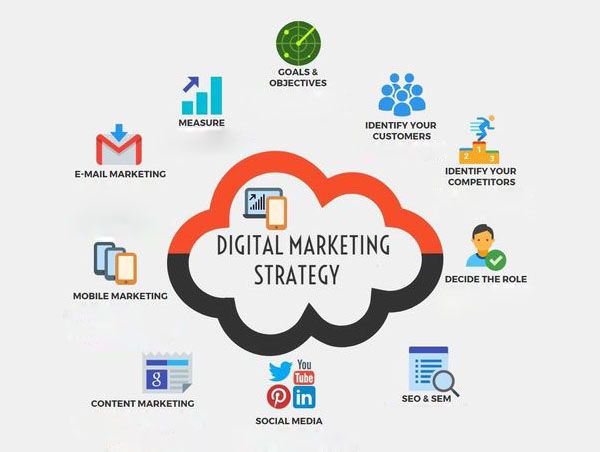
Digital marketing encompasses a wide range of strategies and channels. Search Engine Optimization (SEO) focuses on improving a website’s visibility on search engines to attract organic traffic. Pay-Per-Click advertising allows businesses to run paid ads and pay only when users click on them. Social media marketing promotes brands on platforms like Facebook, Instagram, and LinkedIn to engage with audiences directly. Content marketing involves creating valuable blogs, videos, and infographics to attract and educate customers. Email marketing communicates personalized messages directly to potential clients, while affiliate marketing allows businesses to partner with promoters who earn commissions on generated sales.
How Digital Marketing Works
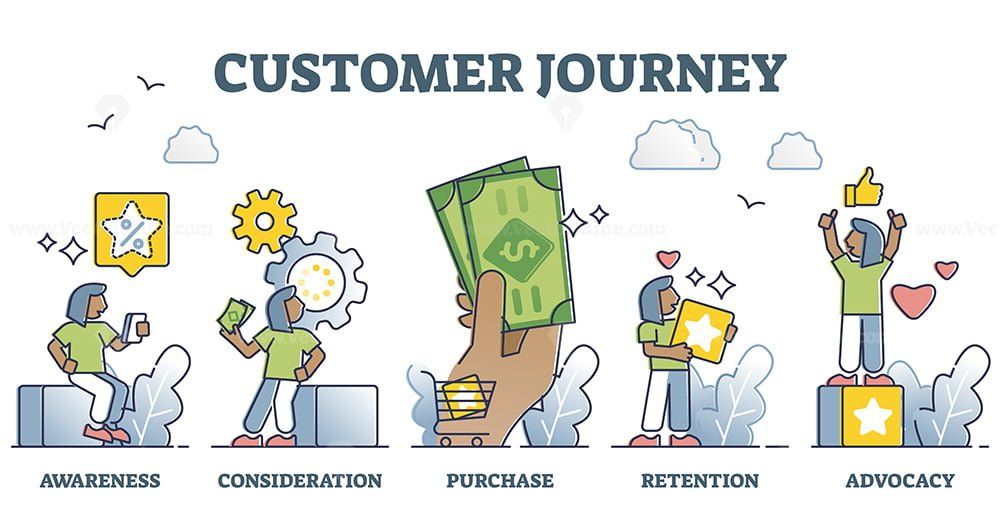
Digital marketing works by targeting the right audience through multiple online channels based on their behavior, interests, and search patterns. For example, a user searching for a product on Google may find a business through organic search results or paid ads. When someone scrolls through social media, they may encounter sponsored posts or promotional content. Visitors who read a company blog or watch its videos are guided through the journey from awareness to eventual purchase. This approach helps businesses connect with potential customers at every stage of the buying process.
Digital Marketing For Beginners:Benefits
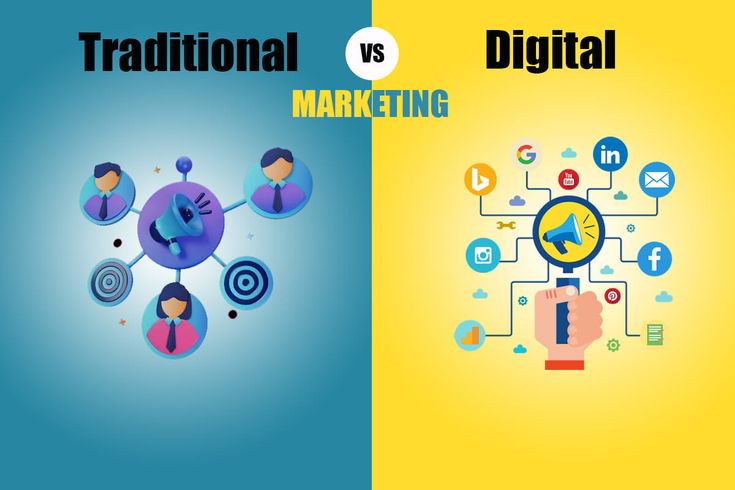
One of the biggest advantages of digital marketing is its measurability and precision targeting. Businesses can reach a global audience with minimal investment and personalize campaigns to suit customer preferences. Digital marketing also allows real-time tracking of performance, making it easier to improve strategies and maximize returns. Moreover, it helps businesses build lasting relationships with customers by consistently providing valuable content and engaging experiences online.
Another key benefit is how different digital marketing strategies work together to strengthen results. For example, strong content marketing improves SEO, which drives more organic traffic, while social media campaigns amplify that content to reach a wider audience. Paid ads can complement these efforts by targeting high-intent users and generating quick leads. By combining multiple channels strategically, businesses can create a holistic marketing approach that maximizes visibility, engagement, and conversions.
Digital marketing also provides businesses with valuable insights. Analytics tools give detailed information about customer behavior, preferences, and engagement patterns. This data empowers businesses to adjust their strategies in real time, improving campaigns for better results. Over time, these insights help companies understand which messaging, platforms, and content types resonate most with their audience, leading to higher satisfaction and loyalty.
Tips: Digital Marketing for Beginners
For beginners, diving into digital marketing can seem overwhelming, but starting with the basics makes the process manageable. Creating a professional website is the first step to establishing an online presence. Learning basic SEO and keyword research helps improve visibility on search engines. Consistently posting blogs, social media updates, or videos keeps the audience engaged. Running small advertising campaigns can provide insight into paid marketing strategies, and analyzing results helps optimize campaigns for better performance. Staying consistent and continuously learning are the keys to long-term success.
Beginners often make mistakes that slow their progress, such as lacking a clear strategy, ignoring SEO, posting inconsistently, targeting the wrong audience, or failing to analyze performance. Avoiding these mistakes and focusing on continuous improvement can significantly increase the chances of success. Experimentation is also important, as not every strategy will work immediately. By learning from trials and analyzing results, beginners can refine their methods and achieve better outcomes over time.
Digital marketing also empowers smaller businesses to compete with larger competitors. With the right approach, even a small company can reach a global audience and achieve significant growth without massive budgets. Tools like social media platforms, email campaigns, and analytics software make it possible to target the right audience with precision and measure success at every stage. This democratization of marketing means that businesses of all sizes have the opportunity to grow and thrive online.
Current Trends in Digital Marketing
Digital marketing is constantly evolving, and staying updated with the latest trends is crucial for businesses that want to stay ahead. One major trend is the rise of artificial intelligence and machine learning, which helps marketers analyze data more effectively, automate tasks, and personalize campaigns for individual users. Another growing trend is the use of video content, as videos are more engaging and can convey messages quickly, whether through social media reels, YouTube tutorials, or live streams. Interactive content like polls, quizzes, and AR experiences is also gaining popularity, as it encourages higher engagement and keeps users involved with the brand.
Voice search optimization is another emerging trend, especially with smart assistants like Alexa, Google Assistant, and Siri becoming common. Businesses that optimize their content for voice search can attract audiences using natural language queries. Additionally, mobile-first strategies have become essential since a significant portion of users accesses the internet via smartphones. Ensuring websites are mobile-friendly and fast-loading is critical for better user experience and search engine rankings.
Tools and Platforms for Digital Marketing
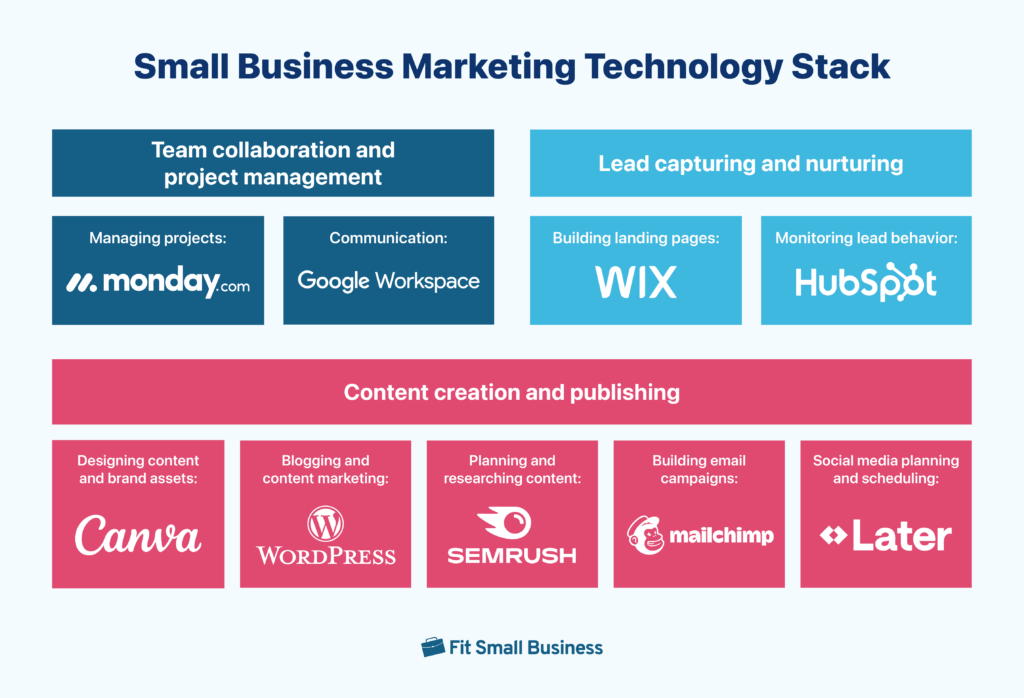
Digital marketing is made easier with a variety of tools and platforms that streamline tasks and provide measurable results. For social media, platforms like Facebook, Instagram, LinkedIn, and Twitter allow businesses to run paid campaigns and track engagement metrics. Google Analytics provides insights into website traffic, user behavior, and conversion rates, helping marketers make informed decisions. Tools like SEMrush and Ahrefs help with keyword research and competitor analysis, while email marketing platforms like Mailchimp or ConvertKit allow personalized communication with subscribers. Automation tools such as HubSpot and Zapier save time and ensure campaigns are consistent across channels.
Real-Life Benefits and Success Stories

Many businesses have seen remarkable growth by implementing digital marketing strategies effectively. For example, small e-commerce stores that optimize SEO and run social media campaigns can reach customers nationwide, sometimes achieving higher sales than traditional storefronts. Content marketing has helped companies establish authority in their industry, attracting clients through informative blogs and videos. Paid ads, when targeted properly, have generated leads quickly, allowing startups to grow faster without huge advertising budgets. These examples show that digital marketing can level the playing field for businesses of all sizes.
Tips for Integrating Digital Marketing Strategies
To maximize the benefits, it is important for businesses to integrate multiple digital marketing strategies rather than focusing on just one. For instance, combining SEO with content marketing improves organic traffic while providing valuable information to potential customers. Social media campaigns can amplify the reach of content, and paid ads can target users with high purchase intent. Consistent branding across all channels, coupled with tracking and analyzing data, ensures campaigns remain effective and aligned with business goals.
Conclusion
Digital marketing has become an indispensable part of business growth. It offers powerful tools to reach, engage, and convert customers effectively. By understanding the different channels, learning how strategies work together, and consistently analyzing results, businesses can build a strong online presence. Beginners should focus on starting simple, staying consistent, and continuously learning to develop successful digital marketing campaigns. With the right approach, digital marketing can help any business grow sustainably and achieve long-term success.