

Digital Marketing Tools That Help Businesses Grow Faster
Digital marketing tools play a very important role in helping businesses grow faster in today’s online world. Without these tools, it becomes very difficult to manage tasks like SEO, social media posting, content creation, and tracking performance. Businesses need to reach the right audience, create engaging content, and analyze results, and doing all this manually takes a lot of time and effort. Digital marketing tools simplify these tasks by providing automation, insights, and easy-to-use features. They help businesses make better decisions based on data instead of guesswork, which leads to better results and higher growth.
These help businesses save time by automating repetitive tasks like posting content and sending emails.
These Tools also improve accuracy because they provide real data about customer behavior and campaign performance.
Digital Marketing Tools That Every Digital Marketer Should Use (Minimum Tools)
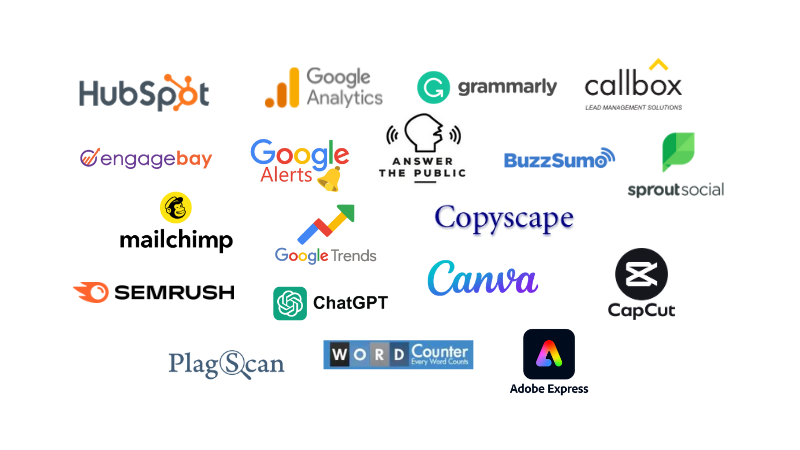
Digital marketing tools are essential for every digital marketer, but beginners should start with a minimum set of tools instead of using too many at once. The most important tools include SEO tools, social media management tools, content creation tools, email marketing tools, and analytics tools. For example, tools like Google Analytics help track website performance,Canva helps create designs, and Google Keyword Planner helps in keyword research. These basic tools are enough to start and manage most digital marketing activities effectively.
These Tools should be selected based on your needs so that you don’t feel confused or overloaded and it become more powerful when you master a few tools instead of trying to use too many at the beginning.
How to Use Them Properly
Digital marketing tools are useful only when you know how to use them correctly. For SEO, you can use keyword tools to find what people are searching and then create content based on those keywords. For social media, you can schedule posts in advance and track engagement to see what works best. For content creation, you can design posts, banners, and ads using simple drag-and-drop tools. Email marketing tools can be used to send newsletters and offers to your audience. Each tool has a purpose, and using them step by step helps you build a strong marketing strategy.
Digital marketing tools should be used regularly so you can understand their features and benefits better and give better results when you combine them properly instead of using them separately.
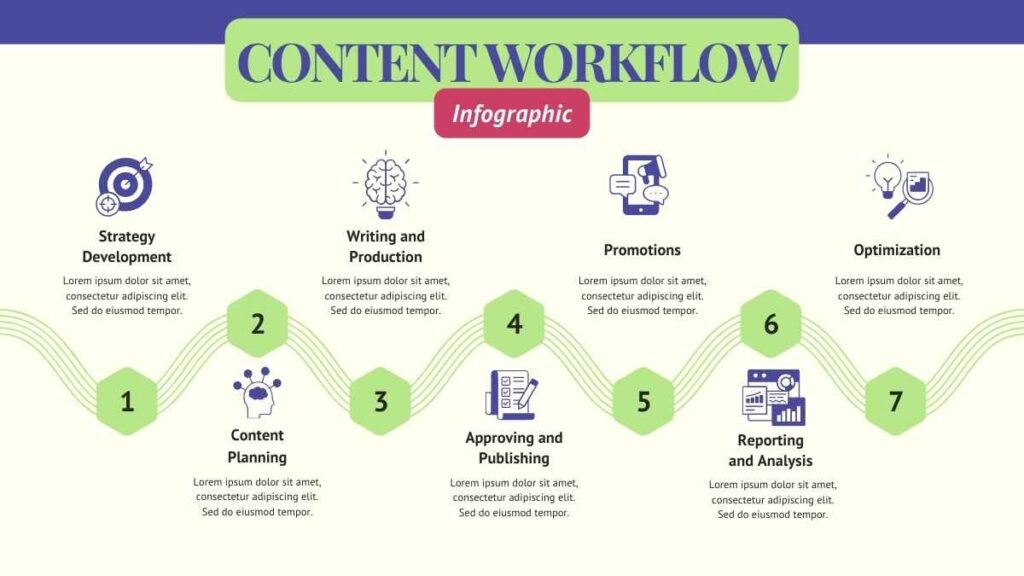
Digital Marketing Tools and Where to Use Them in Strategy
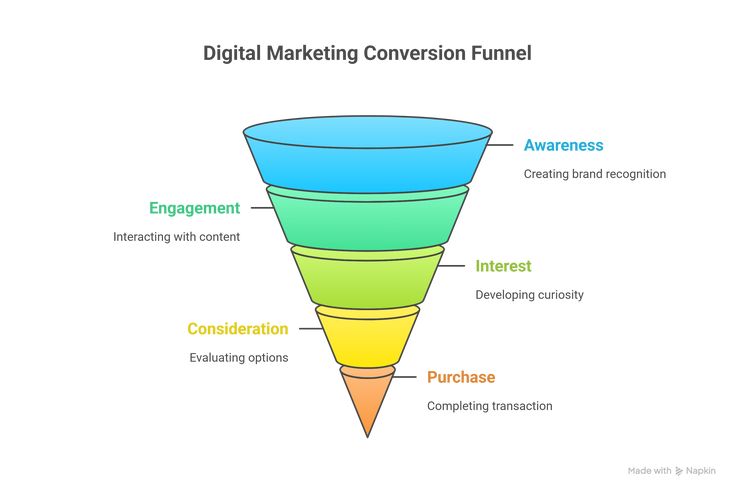
Digital marketing tools are used at different stages of a marketing strategy, and understanding where to use them is very important. In the beginning stage, SEO tools are used for keyword research and competitor analysis. In the content stage, design and writing tools are used to create engaging posts. In the promotion stage, social media tools and ad platforms are used to reach a wider audience. Finally, analytics tools are used to measure results and improve future campaigns. Using the right tool at the right stage makes your strategy more effective and organized.
It help you plan your strategy clearly from start to finish and ensure that every step of your marketing process is data-driven and result-oriented.
Improve Productivity and Results
Digital marketing tools greatly improve productivity by reducing manual work and increasing efficiency. Instead of spending hours on small tasks, marketers can use automation to complete work faster. These tools also help in maintaining consistency, which is very important for long-term success. When you use tools for scheduling, tracking, and analyzing, you can focus more on creativity and strategy. This leads to better quality work and improved results over time.
It help marketers focus on important tasks instead of repetitive work and also make it easier to scale marketing efforts as your business grows.
Digital Marketing Tools Explained with Practical Examples
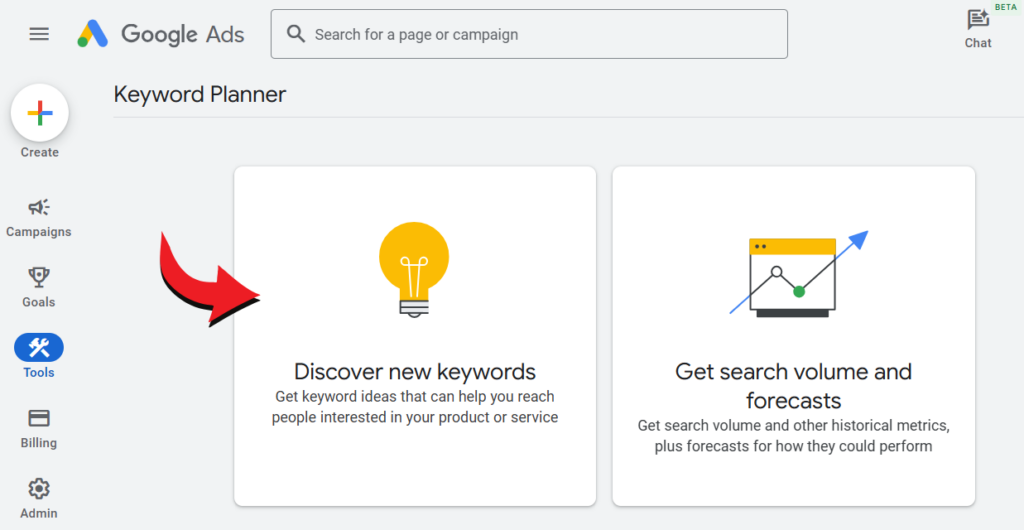
Digital marketing tools become more useful when you understand them with real examples and practical usage. For SEO, tools like Google Keyword Planner help you find what people are searching on Google. You can enter a keyword related to your business and discover search volume, competition, and related keywords. Similarly, Google Analytics helps you track how many people visit your website, where they come from, and what actions they take. These insights help you improve your content and attract the right audience.
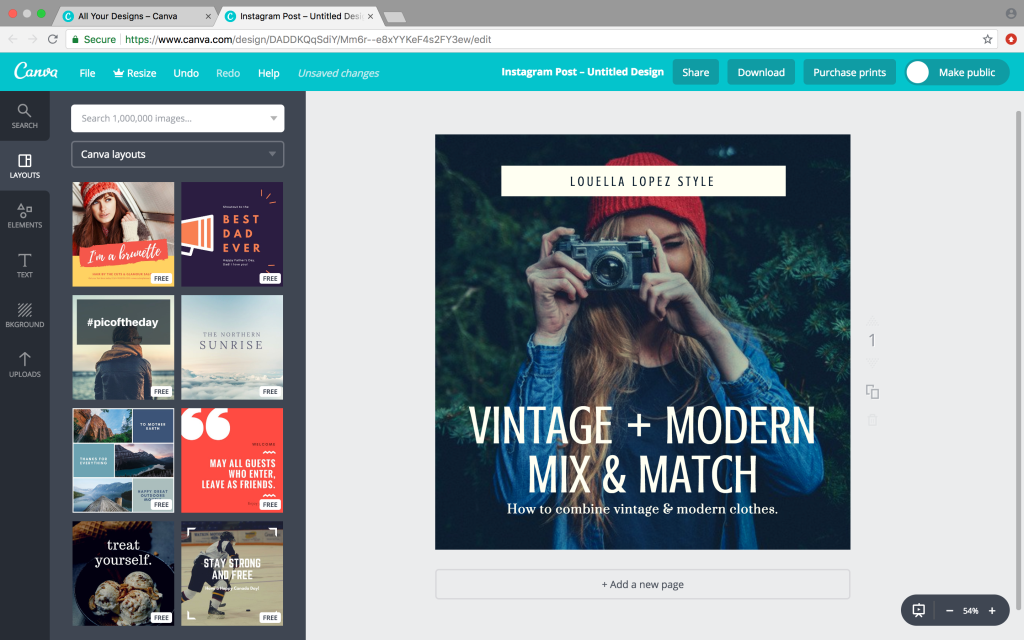
Digital marketing tools like Canva are very helpful for creating social media posts, banners, and ads without needing design skills. You can choose templates, edit text, and download designs easily. For social media management, tools like Hootsuite allow you to schedule posts, manage multiple accounts, and track engagement from one dashboard. This saves time and helps maintain consistency across platforms.
Digital marketing tools such as Mailchimp are used for email marketing campaigns. You can collect email addresses, send newsletters, and automate messages based on user actions. These tools also show reports like open rate and click rate, which help you understand how your audience is responding. By using these tools together, a digital marketer can handle SEO, content, social media, and email marketing efficiently in one complete strategy.
Conclusion
Digital marketing tools are essential for both businesses and digital marketers who want to succeed online. They simplify complex tasks, improve efficiency, and provide valuable insights that help in making better decisions. By starting with a few important tools and learning how to use them properly, beginners can build a strong foundation in digital marketing.
These are not just helpful but necessary in today’s competitive digital world and will continue to play a key role in helping businesses grow and achieve long-term success.